
Socrates
Key Impact
An Athenian stonemason's son who questioned everyone from generals to priests in public, was sentenced to death for it, and calmly drank poison rather than abandon his method.
“The unexamined life is not worth living.”
- Socrates
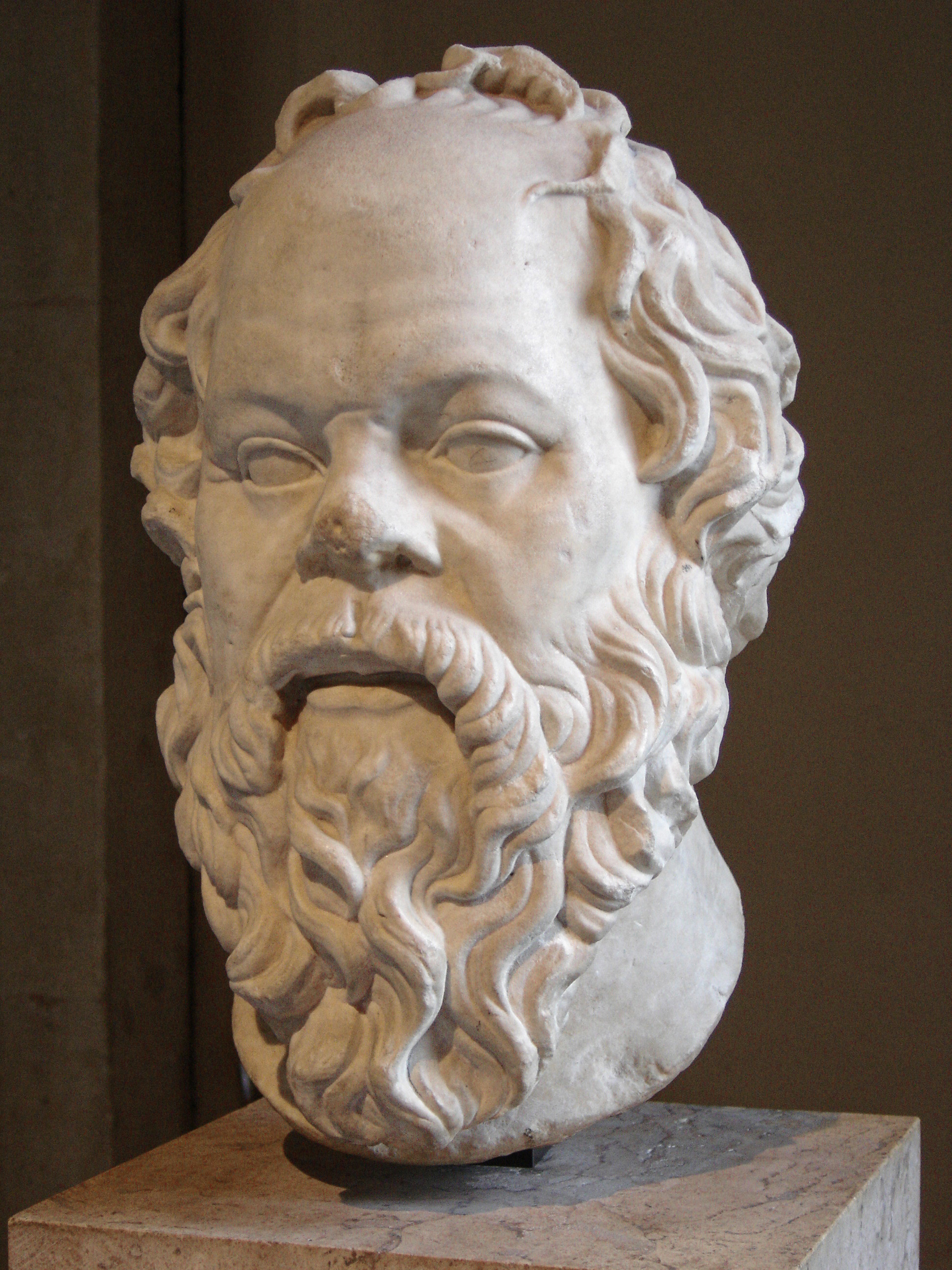
The Vision & Early Struggle
Socrates left no writings of his own, everything known about him comes through students like Plato and Xenophon, but the consistent picture is of an Athenian stonemason's son who spent his days in the city's public spaces, questioning anyone willing to engage him, generals, priests, politicians, and ordinary citizens alike, about what they actually meant by concepts like justice, courage, and virtue that they claimed to understand but, under his questioning, often could not clearly define.
The Betrayal / The Devastating Failure
His method, relentlessly exposing the gaps and contradictions in what powerful and respected Athenians claimed to know, made him deeply unpopular with much of the city's establishment, who found their authority publicly undermined by an aging man with no formal position or wealth. In 399 BCE he was put on trial on charges of corrupting the youth of Athens and impiety toward the city's gods, charges historians largely view as a pretext for punishing a man whose questioning had become politically inconvenient.
The Rise & Eternal Legacy
Found guilty by an Athenian jury, Socrates was offered the option to propose exile instead of death, and by most accounts could likely have escaped even after sentencing with the help of wealthy friends. He refused both, arguing that fleeing would betray the very principles of civic duty and respect for law he had spent his life examining, and accepted the sentence, drinking the poison hemlock in 399 BCE surrounded by his students, calmly discussing philosophy until the end.
Youth Mindset & Civic Responsibility Key Takeaways
Socrates chose consistency between his stated principles and his actions over his own survival, a standard almost no one is ever actually tested against. For young people, his relentless insistence on questioning claims rather than accepting them because someone powerful or respected made them, is the foundation of genuine critical thinking, and his willingness to accept the consequences of his own convictions remains one of history's starkest examples of civic integrity.
More from Social Reformers


Written from well-documented historical record. History involves real complexity and, in some cases, ongoing scholarly debate: this is a starting point for inspiration, not a substitute for deeper reading.