
Swami Vivekananda
Key Impact
Walked across India as a penniless monk, then introduced Hinduism and Vedanta to the West at Chicago in 1893, sparking a movement of practical, service-oriented spirituality still active today.
“Arise, awake, and stop not till the goal is reached.”
- Swami Vivekananda
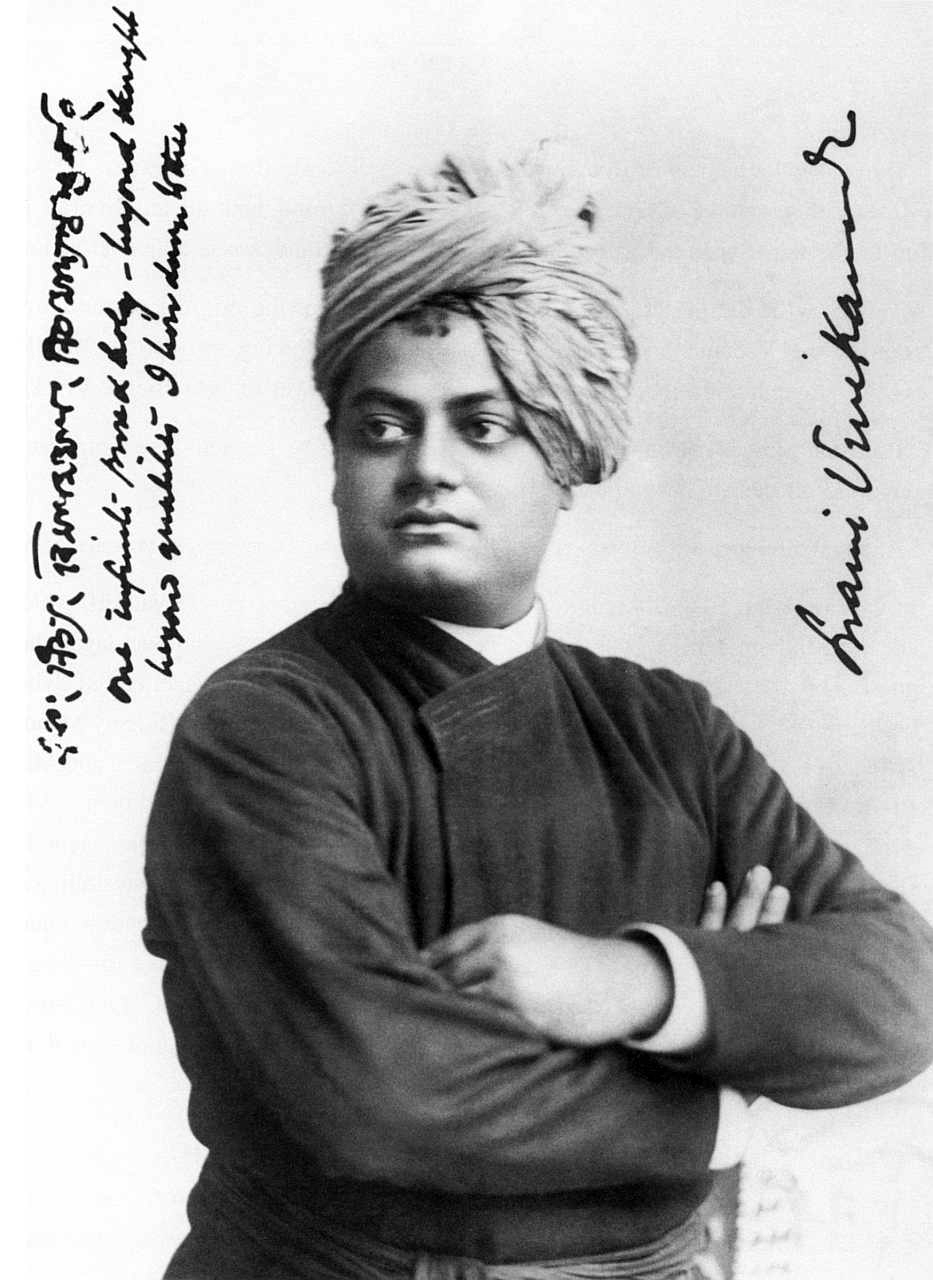
The Vision & Early Struggle
Born Narendranath Datta in 1863 in Calcutta into an educated, comfortable family, the young man who would become Vivekananda was restless and questioning by nature, testing every religious teacher he met with a single blunt question: have you seen God? Most gave evasive answers. It was only in the ramakrishna Paramahamsa, an unlettered priest at a Calcutta temple, that he found a teacher willing to answer with total conviction, and Narendranath became his devoted student, drawn by a spiritual seriousness that never let him settle for comfortable answers.
The Betrayal / The Devastating Failure
His father's sudden death left the family in poverty, and Narendranath, once destined for a comfortable professional life, spent years as a wandering monk with no money and no certainty, walking the length of India on foot and witnessing widespread poverty and social stagnation firsthand. He arrived in Chicago in 1893 to speak at the World's Parliament of Religions with no formal invitation and almost no funds, uncertain until the last moment whether he would even be allowed to speak at all.
The Rise & Eternal Legacy
His address, opening with the simple words "Sisters and brothers of America," drew a standing ovation and made him an overnight sensation, establishing Vedanta philosophy in the West and reshaping how Hinduism was understood globally. He returned to India as a national hero and founded the Ramakrishna Mission in 1897, built explicitly around service to the poor rather than ritual alone, a practical, reform-minded spirituality distinct from otherworldly withdrawal. He died in 1902 at just 39, having compressed an extraordinary body of work into a brief life.
Youth Mindset & Civic Responsibility Key Takeaways
Vivekananda's insistence that real spirituality shows up as service, not as escape from the world's problems, is a direct challenge to young people today: he measured conviction by what it moved you to do for others, not by how it made you feel. His life argues that discipline and inner strength are not separate from civic responsibility, they're the foundation of it, and that a person with nothing but conviction and character can still change how the world sees an entire civilization.
More from Social Reformers


Written from well-documented historical record. History involves real complexity and, in some cases, ongoing scholarly debate: this is a starting point for inspiration, not a substitute for deeper reading.