
The Wright Brothers
Key Impact
Bicycle mechanics with no engineering degrees who out-innovated better-funded, more credentialed rivals to achieve the first powered, controlled human flight in 1903.
“If we all worked on the assumption that what is accepted as true is really true, there would be little hope of advance.”
- The Wright Brothers
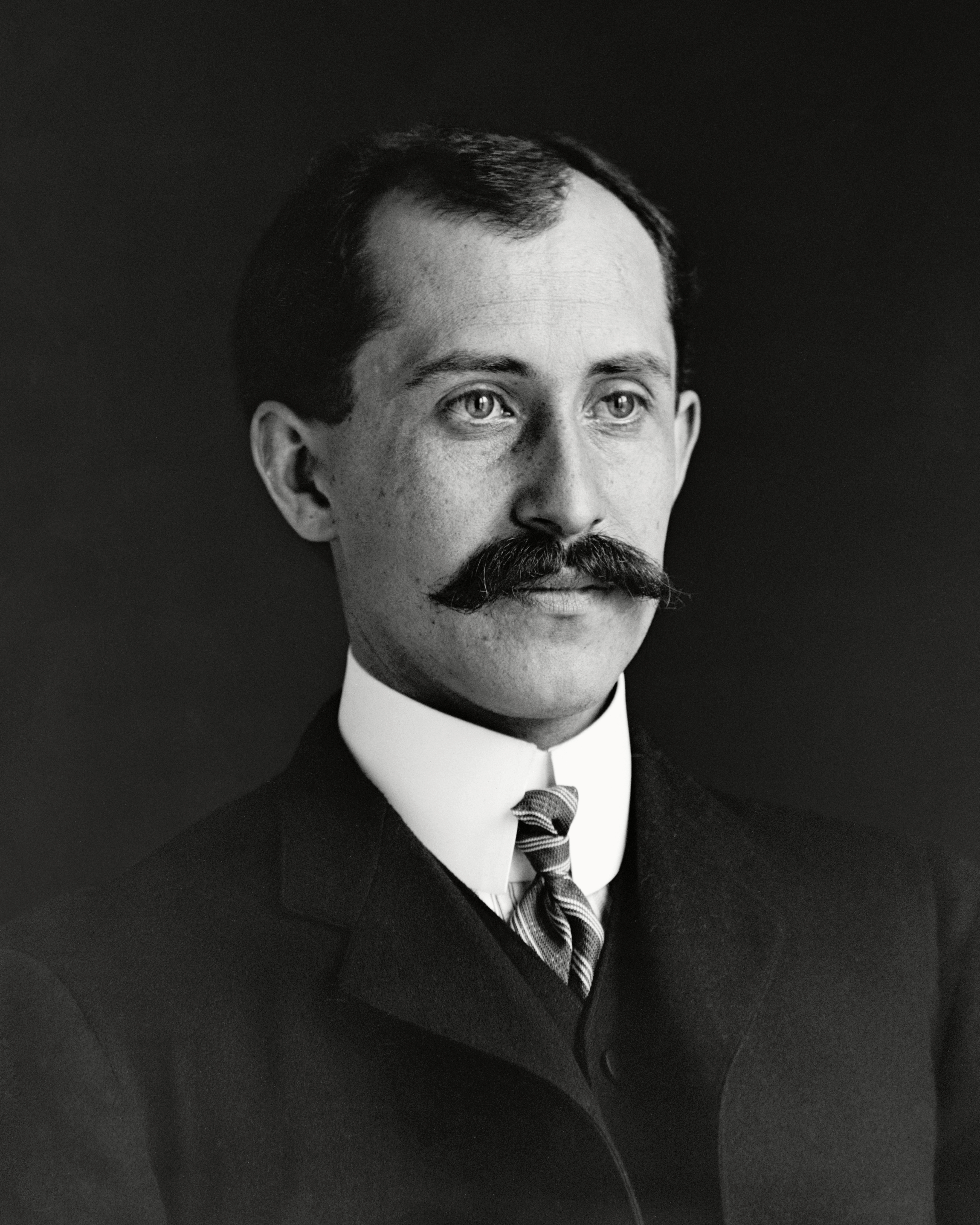
The Vision & Early Struggle
Orville and Wilbur Wright ran a modest bicycle repair and manufacturing shop in Dayton, Ohio, with no university engineering training and no government or institutional funding, at a time when human flight was widely dismissed by credentialed scientists as either impossible or decades away. Their fascination with flight began with a childhood toy helicopter and grew into serious, self-directed study of aeronautics, conducted almost entirely outside any formal scientific institution.
The Betrayal / The Devastating Failure
The brothers competed against Samuel Langley, a prominent, well-funded scientist backed by the Smithsonian Institution and U.S. government money, who was widely expected to achieve powered flight first. Langley's piloted aircraft crashed into the Potomac River, twice, in humiliating public failures. The Wrights, working with their own limited funds and a self-built wind tunnel to test wing designs the existing aeronautical tables had gotten wrong, kept refining their approach through years of unglamorous trial and error at Kitty Hawk, North Carolina.
The Rise & Eternal Legacy
On December 17, 1903, at Kitty Hawk, Orville piloted the first sustained, controlled, powered flight in a heavier-than-air machine, a 12-second flight covering 120 feet, witnessed by only a handful of people, with almost none of the fanfare the achievement's scale deserved. It took years more of refinement and public demonstration before the wider world, and even the American press, fully accepted what they had done, but the Wright Flyer had already changed what was possible for human transportation permanently.
Youth Mindset & Civic Responsibility Key Takeaways
The Wrights' victory over a far better-funded, more credentialed rival is a direct lesson in the limits of institutional backing alone: careful, self-directed testing beat prestige and money because it was simply more rigorous. For young people without access to elite resources, their story argues that patient, methodical experimentation, actually testing your assumptions rather than trusting inherited authority, can outperform advantages that look decisive on paper.
More from Industrialists


Written from well-documented historical record. History involves real complexity and, in some cases, ongoing scholarly debate: this is a starting point for inspiration, not a substitute for deeper reading.