
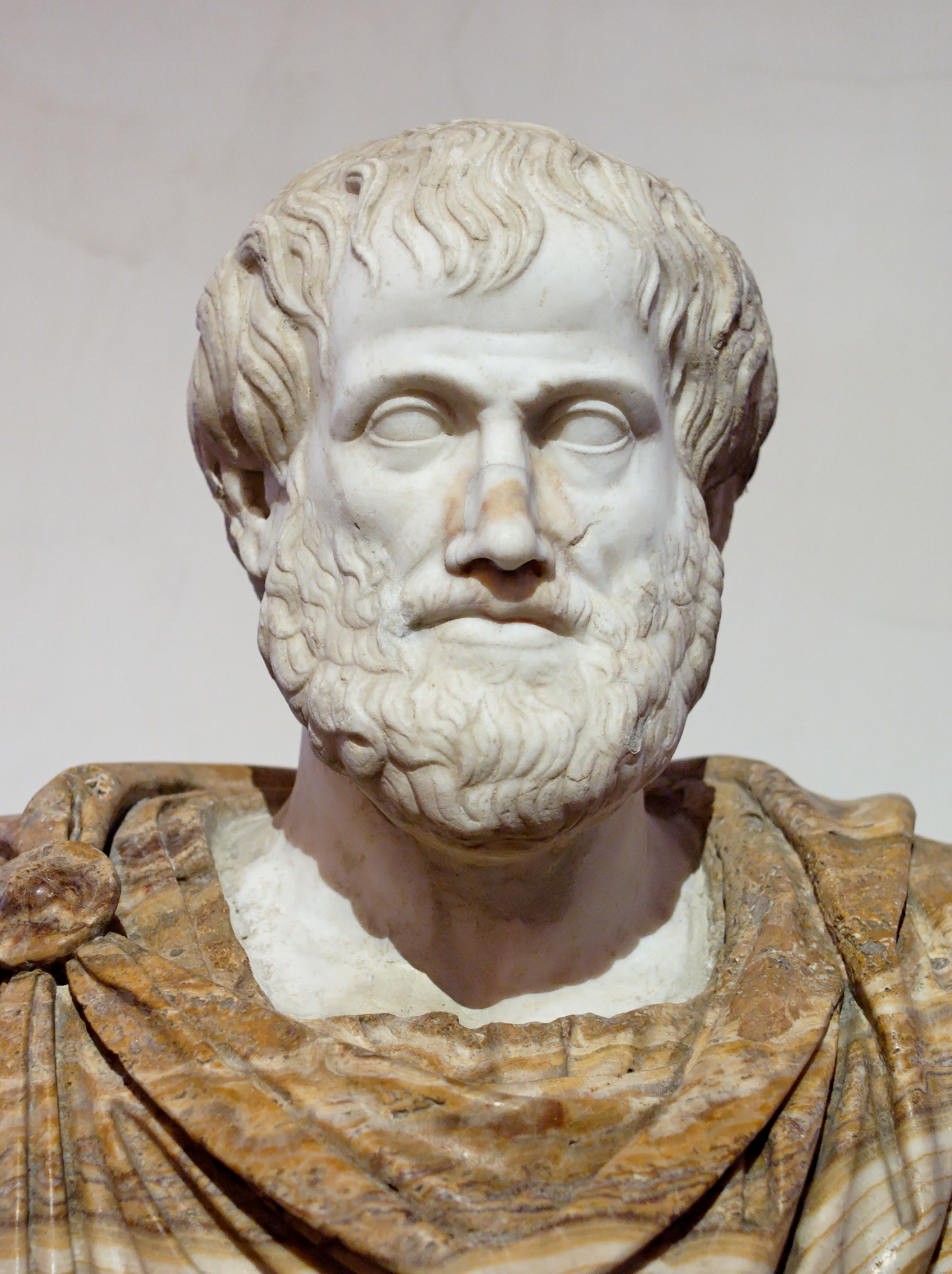
Aristotle
Key Impact
Orphaned young, studied under Plato for twenty years, then built the first systematic methods of logic and biological classification, shaping nearly every field of Western thought for two millennia.
“We are what we repeatedly do. Excellence, then, is not an act, but a habit.”
- Aristotle
The Vision & Early Struggle
Aristotle was orphaned at a young age and raised by a guardian, then sent at 17 to study at Plato's Academy in Athens, where he remained for about twenty years, first as a student and eventually as a respected teacher in his own right. When Plato died and leadership of the Academy passed to someone else rather than to him, Aristotle left Athens, a professional setback that could have ended his intellectual career but instead sent him traveling and researching independently for over a decade.
The Betrayal / The Devastating Failure
During his years away from Athens, Aristotle conducted extensive original research in biology, closely observing and classifying hundreds of animal species on the island of Lesbos, work so methodical it effectively founded the field of zoology nearly two thousand years before it existed as a formal discipline. He was later summoned to tutor a teenage prince who would become Alexander the Great, a role requiring him to shape the thinking of a future conqueror without controlling what he would ultimately do with that education.
The Rise & Eternal Legacy
Aristotle returned to Athens and founded his own school, the Lyceum, producing foundational work across logic, physics, ethics, politics, biology, and literary theory that would dominate Western and Islamic intellectual life for nearly two thousand years. His system of formal logic remained the standard method of reasoning taught in universities well into the modern era, and his scientific classification methods influenced how biology was practiced for centuries after his death.
Youth Mindset & Civic Responsibility Key Takeaways
Aristotle's own definition of excellence as habit, not a single act, reflects how he actually built his life's work: two decades of sustained study before he produced anything of his own, then decades more of patient, systematic observation and classification. For young people, his example argues against the idea that mastery arrives in a single flash of insight, real expertise is built the same way he built it, through long, unglamorous, repeated practice.
More from Scientists


Written from well-documented historical record. History involves real complexity and, in some cases, ongoing scholarly debate: this is a starting point for inspiration, not a substitute for deeper reading.